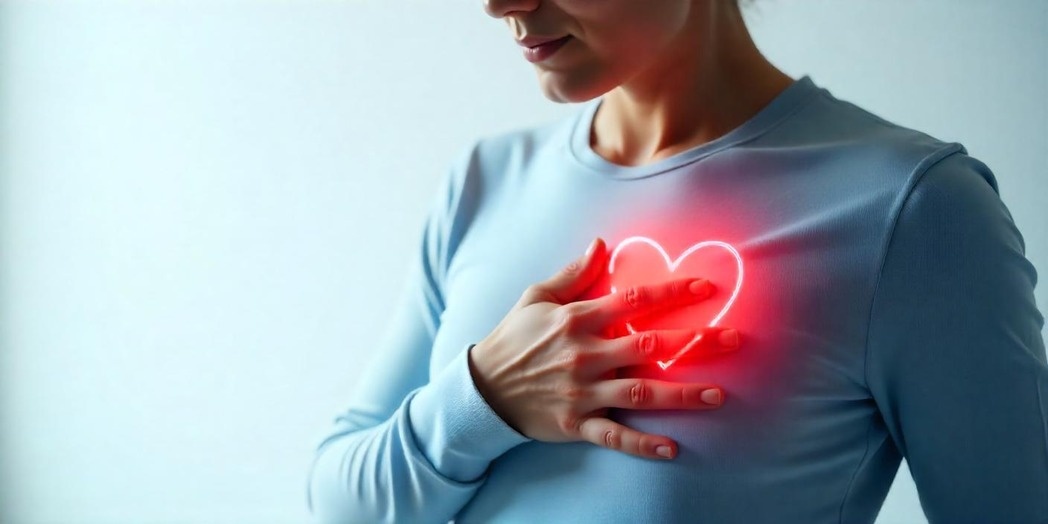
We all have those moments where we are suddenly aware of our heartbeats. These could be the moments that matter a great deal to you, or there might not be anything out of the ordinary.
Even though we know our hearts beat all the time, we only feel them at those certain times; we feel them because our heart is either beating faster or harder than it should. These are called palpitations.
You might think, “Why am I palpitating?” “What are the causes of heart palpitations?” There could be several reasons. Either you are stressed about something, you didn’t get proper sleep, it could be that you had a little too much coffee, or you are not hydrated enough, or it could be due to any underlying health issues as well.
It is not just the feeling of palpitations that makes it concerning, but not knowing why it is happening makes one further anxious. The heart that was working fine just one moment ago can suddenly be beating irregularly. It can be worrisome. It is worrisome.
Palpitations, however, are not always as dangerous as they can seem. It does not always mean there is a problem with the heart, but it could be just your body’s reaction to a certain trigger.
8 in every thousand people have reported palpitations, as per a study released in 2017. This prevalence makes it important to understand the causes of heart palpitations and when one should seek evaluation for them. Now, online consultation with a psychiatrist is also available, even with a same day psychiatrist appointment.
Table of Contents
What are heart palpitations and what do they feel like?
Palpitations are defined as “changes in heart rate, rhythm, or contraction pattern and may be reported as a skipping, pounding, fluttering, or similar sensation” by the National Library of Medicine.
At times, the heart might beat just normally, but it is your increased attention, the attention that you generally do not pay, that makes even the normal, steady rhythm feel unusual or uncomfortable.
Palpitations are experienced differently in different individuals. For you, it could feel like a car speeding down hills with no brakes, your heart beats rapidly even when you are resting in one place.
For others, the feeling can be similar to a hammer striking inside their chest. Their heart beats louder, with more force; they can actually hear it if they are in a calm environment.
While for some others, palpitations feel like their heart is fluttering or skipping a beat.
These experiences are unpredictable. One moment, everything feels normal, and in the next moment, your heart is suddenly drawing your attention, sometimes with no warning. This sudden change is itself a reason why palpitations can seem more alarming than they actually could be.
The times these palpitations occur vary as well. It could be when you are engaged in heavy exercises, when you have a deadline ahead of you, or it could be at night, as you took caffeine later in the day to complete your work on time.
Understanding how palpitations feel is only the beginning. Once you know what they are like, you would want to know why they happen, what causes heart palpitations.
Causes of palpitations
Palpitations do not occur out of nowhere. They are often influenced by certain changes, by what’s happening within your body, or how you spend your day, your daily routine.
From what you drink and eat to how much time you dedicate to resting, everything has an effect on your body, how it functions, including how your heart beats. Looking into the different causes helps you understand what you are experiencing and why exactly you are experiencing that.
Stress and Anxiety
Stress and anxiety are among the common causes of heart palpitations. You must have seen in films where a character has to verify an unidentified dead body if it’s their loved one.
Not only does the character’s hand shake when they approach the morgue, but the background sound is also muted. All you hear is the heartbeat of that person. Why? It is the fear of the worst possible scenario that makes their heart beat faster and louder.
Such intense emotions activate your fight-or-flight response when the brain thinks you are in some danger, even if that might not be the case, and prepares you for it.
The fight-or-flight mode or the activation of the sympathetic nervous system causes the release of adrenaline and noradrenaline, stress hormones, into your bloodstream. When these hormones reach your heart, the heart beats much faster (increased chronotropy) and with much force (increased inotropy).
This sympathetic nervous system activation is not only triggered by a perceived threat, but it could also happen when you are in some deep conflict, when you face a conscious conflict, where you’re caught between different things, and you do not know what to do.
For instance, a person whose father was an alcoholic and abusive gets work at the liquor store to pay his education fees and help out his mother. It is a tough decision for him to make, whether to continue or quit. He doesn’t like working there, but he has to.
Working there constantly reminds him of what he and his mother went through because of alcohol. This ‘mental tug of war’ can create a loop of thoughts and worries that keeps you on edge, and your heart cannot calm down either.
Lifestyle Factors
- Caffeine: Coffee is the answer for most of us when we need to cut back on sleep and get some work done. However, coffee not only keeps you awake, but it also makes your heartbeat irregular.
Coffee contains caffeine. Not just that, any other energy drink that has caffeine can raise your heart rate and blood pressure as well because it triggers your sympathetic nervous system, which releases adrenaline.
- Sleeplessness: Modern lifestyle prioritizes work, social life, ‘me time’, but what we often forget is that ‘me time’ also includes our health time, our sleep. Insomnia is a common issue among young individuals. When you are not sleeping enough or not resting enough, it directly affects your quality of life.
Insomnia, according to studies, increases the risk of atrial fibrillation (AF) in those who are under 40. Atrial fibrillation is the irregular and, most of the time, very fast heart rhythm that occurs in the upper chambers of the heart, called atria. They do not tend to work in sync with the lower chamber of the heart.
- Smoking: Smoking is not only responsible for causing cancer or asthma, but is also to blame for making your heart beat in a hurry. Nicotine in your cigarettes releases catecholamines, including adrenaline and noradrenaline, that directly cause palpitations.
In addition to this, when you smoke, you are exposed to carbon monoxide. It is responsible for reducing the oxygen supply to the heart, meaning your heart has to give more effort to function.
- Alcohol: You might experience an irregular heartbeat after binge drinking or what the scientists call ‘holiday heart syndrome’ (HHS), because most of the time it is noticed to happen during weekends and holidays. Chronic drinking increases the risk of atrial fibrillation.
- Dehydration: Dehydration is a well-known cause of palpitations. When you do not drink enough water, your blood volume decreases, a condition called hypovolemia. Since there is not enough blood in the body, the heart has to work harder to circulate blood to the vital organs.
This lack of fluid also creates an imbalance in electrolytes, essential minerals in the blood like sodium, potassium, magnesium, chloride, etc., disturbing the electrical functioning of the heart.
Physical Activities and Body Changes
- Exercise: Our body’s demand for energy rises during exercise, and the sympathetic nervous system is triggered to meet the increased demand.
A study released in 2010, in which over 2,000 subjects were studied, found that sudden and dynamic exercises, such as running across the street or climbing stairs, can trigger arrhythmias. However, most of these are short-lived.
- Pregnancy: Palpitations are common in pregnancy as there is around 30% excess blood in the body, and the heart has to pump faster and harder to circulate the extra blood with ease.
In addition to this, hormonal changes in the emotional toll associated with pregnancy can also cause palpitations. Most of the time, these irregular beats are not dangerous.
- Hormonal changes: Women experience palpitations frequently. This is particularly true during their luteal phase of the menstrual cycle, when they are pregnant, or going through their perimenopausal period.
Generally, these irregular heartbeats are not harmful and do not require treatment. However, at times, they have been noted to be “inappropriately rapid”. In such a case, one might need treatment based on the type of cardiac arrhythmia.
Medications
Certain medications can cause or further worsen existing arrhythmia by increasing the adrenaline production in your body or altering ion channel functioning (tiny gates controlling the flow of electricity for heartbeats).
Some medications within the following groups can cause palpitations:
- Antipsychotics
- Antidepressants
- Prokinetics
- Antibiotics
When palpitations are caused by a certain drug, a doctor can discontinue it and provide further treatment guidance. You should not stop medication abruptly without consulting a professional. They can help you know whether the erratic heartbeats are concerning or benign.
Medical Conditions
- Hyperthyroidism: If you are someone who has an overactive thyroid, you might experience irregular heartbeats. This happens because excess thyroid hormones increase sympathetic activity within the body while reducing vagal regulation, which ensures the heart beats stably.
- Anemia: Lack of hemoglobin means a lack of oxygen within the body. This forces the heart to circulate the existing oxygenated blood throughout the body faster than normal. Hence, more labour for your heart.
- Vitamin B12 deficiency: We need vitamin B12 to generate healthy red blood cells. When there is a deficit, it cannot produce enough red blood cells, leading to anemia.
- Hypoglycemia: Your blood glucose can fall to a critical level when you have low blood sugar. Your brain perceives this as a threat to your survival and responds by releasing adrenaline and noradrenaline to raise glucose from the stored energy in the liver.
- Cardiac arrhythmia: Apart from the above-mentioned medical conditions, if you have heart rhythm disorders, it is common for you to experience palpitations.
Cardiac arrhythmia disrupts the electrical signals that are responsible for making your heart beat properly. Your heart can either beat too fast (tachycardia) or too slow (bradycardia), or the rhythm can be irregular as well.
With this knowledge, what causes heart palpitations, the uncertainty that you had earlier regarding your experience is hopefully better now. Knowing how and when palpitations happen, doubts start to fade away because you are now moving towards awareness.
When are palpitations a concern?
While palpitations can be your body’s response in a certain situation, that situation can at times require medical attention. You should consider visiting a doctor when:
- You are palpitating more frequently than before.
- Chest pain occurs with irregular heartbeats.
- You get dizzy or feel like fainting.
- You or your family have a history of cardiac issues.
- During pregnancy, even though palpitations are normal, if you have a record of heart problems, or if palpitations are adding to the list of your worries.
Even though these are some of the signs that you should seek professional help, you need not wait to figure out if your symptoms are actually dangerous or not.
Anything that makes you feel ‘that’s new’ can be a reason why you might need medical attention. A doctor can help you rule out what is triggering your abnormal heart activities and make sure your heart is healthy in the long run.
How to manage palpitations?
| Causes | What you can do |
| Smoking | Quit smoking and avoid nicotine patches or gums |
| Alcohol | Reduce or eliminate drinking, avoid binge drinking |
| Caffeine | Limit caffeine usage; switch to decaf or herbal options |
| Stress and anxiety | Meditation, mindfulness, and deep breathing exercises |
| Dehydration | Consume adequate water regularly |
| Sleeplessness | Follow strict sleep hygiene for enough rest |
| Medication | Contact your doctor to provide an alternate medicine |
| Exercise | Warm up before jumping into intense exercise and monitor your heart rate |
| Nutritional deficiencies | Include vitamin B12 and iron in your meal to prevent anemia |
When the Rhythm Feels Different
When the very rhythms meant to sustain you become unfamiliar, it can be terrifying. Knowing what you are experiencing, the various causes of heart palpitations, and what triggers abnormal beating of your heart are important, but knowledge might not be enough.
What follows your irregular heartbeat is emotional turbulence, a series of concerns. Valid concerns. Your heart is trying to communicate something, and by listening to it, you are only taking care of yourself, not overreacting.
You identifying what’s happening is only the beginning; you need to contact a professional who can replace the ‘What ifs’ with ‘what is’, with concrete facts, and that alone can help many put their mind at ease. If not, you can reach out to an online psychiatrist to help you deal with your worries, which is potentially worsening your health.
Note that there are some restrictions on consulting with an online psychiatrist. Only those licensed, such as an online psychiatrist New Jersey, can prescribe medication if necessary to people living in New Jersey.
Your heart is more than capable of dealing with life’s pressures. It might just need a little support from the brain to say, ‘It’s okay, you’ve got this’. Reach out and let us help your brain and heart communicate better.