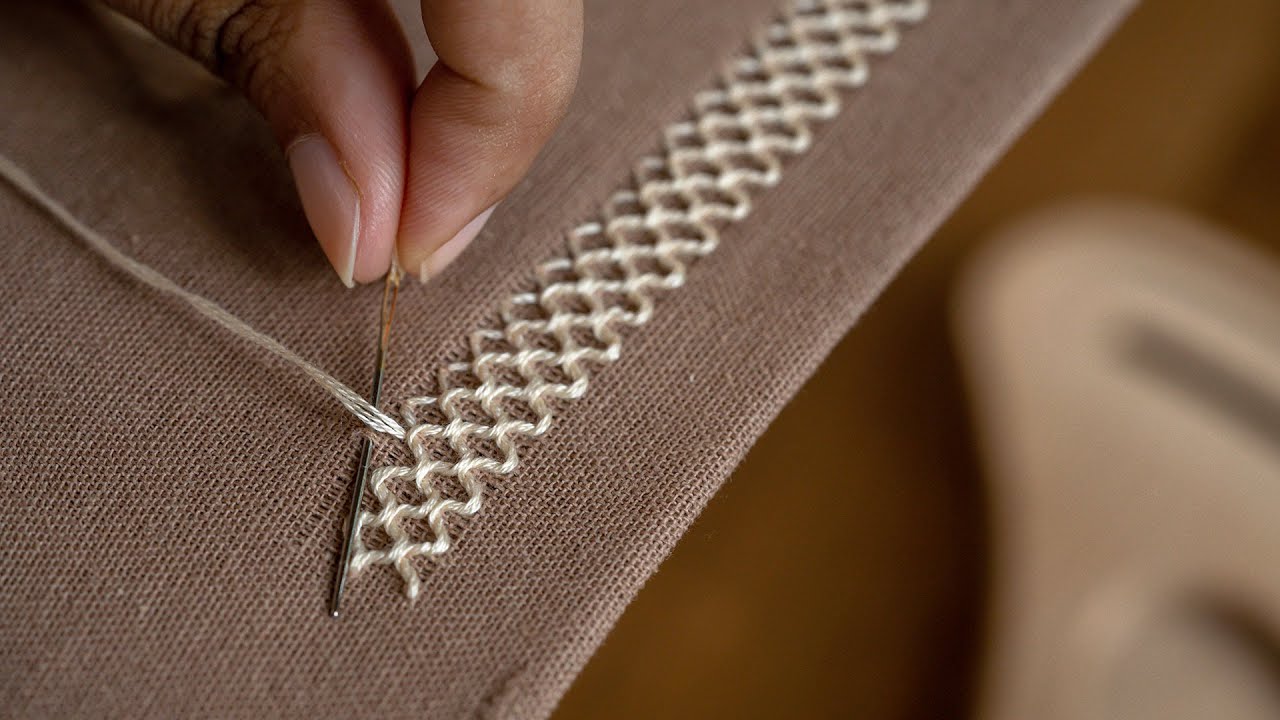
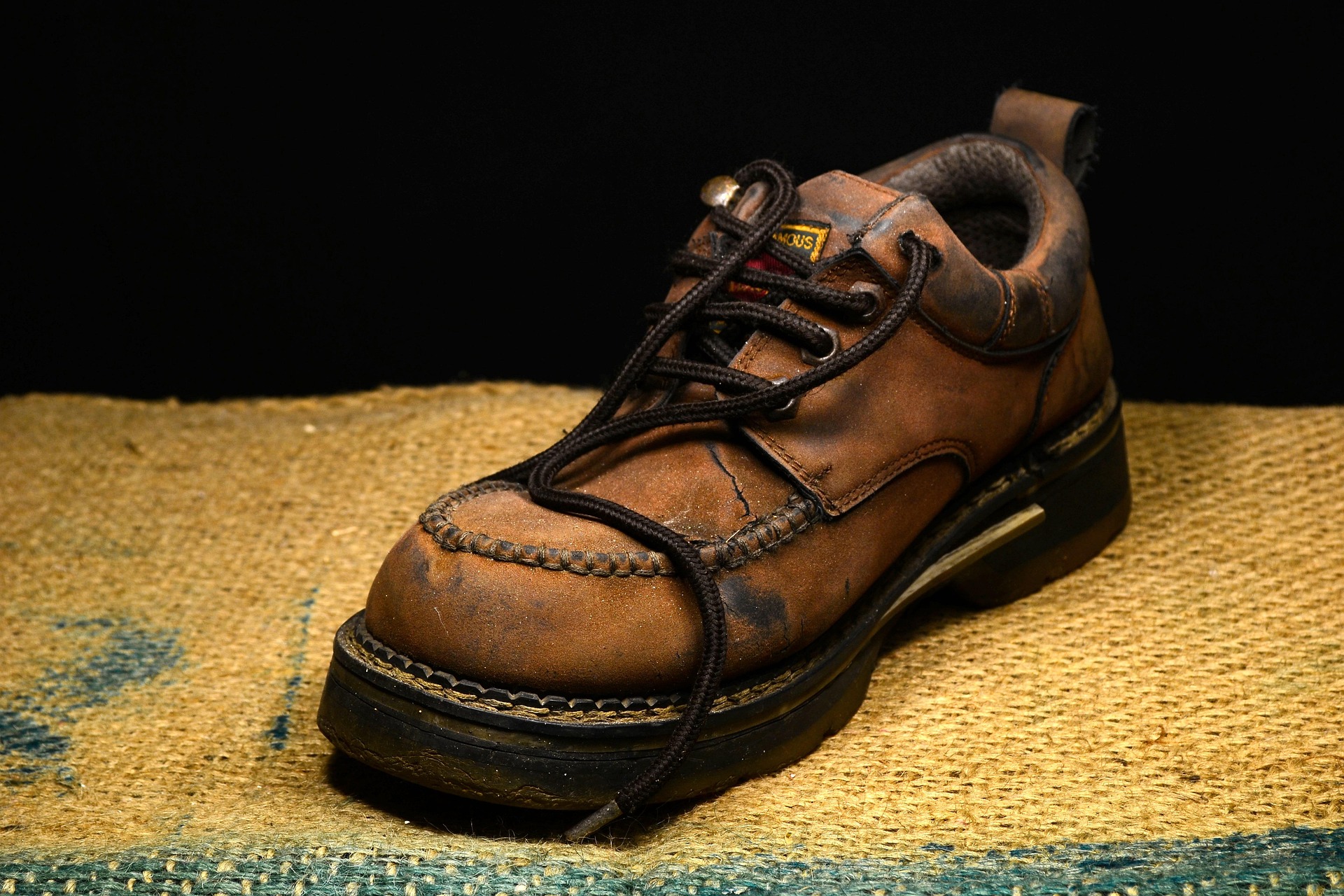
Shoes live a hard life. They bend at the forefoot. They twist on trails. They scrape on curbs. Water and dust get in the mix. In all of this, the small line that holds the upper together is the thread. When the sewing machine thread (bonded nylon thread) and seam are designed well, shoes last longer and feel better. Here is an easy guide to the science behind stitching strength in footwear.
Table of Contents
What stitching strength really means
A strong seam is not only a strong thread. It is a balance of five parts.
- Thread type and size.
- Needle size and point.
- Stitch length and pattern.
- Seam placement on the upper.
- The stack of materials under the needle.
If any one part is wrong, the seam can fail early. Good design makes the parts work together.
Picking the right thread family
Most footwear seams use synthetic threads because they keep strength in wet and dry cycles.
- Corespun polyester is a reliable choice for many construction lines. It is smooth and stable.
- In high-stress zones high-tenacity polyester becomes really useful, like in toe rails, lateral walls, heel slings, and strap anchors. Using a smaller needle is advisable.
- Anti wick variants slow water travel along stitch holes in splash areas and sidewalls.
Choose the finest ticket that still passes seam strength. Finer thread lets you use a smaller needle, which makes smaller holes and lowers damage to the upper.
Needle and point matter a lot
The needle cuts or parts the upper. The wrong one makes big holes or heat marks.
- Use micro or light round points for coated textiles, microfiber, and firm synthetics.
- Use ball point where knit collars or gusseted tongues meet the upper.
- Start around NM 80 to 90 for most stacks. Move up only when layers are thick.
- Coated needles lower friction heat at speed, which helps avoid gloss around holes.
Stitch length, SPI, and pattern
Crowded holes act like a dotted tear. Fewer, cleaner holes make a stronger and nicer seam.
- Construction lines work well at 3.0 to 3.5 millimeters.
- Visible top lines can run a little longer, 3.5 to 4.0 millimeters, for a calm look.
- On stress paths, use two slim rows 2 to 3 millimeters apart. Two rails share load better than one dense line.
- Round every corner to a 6 to 8 millimeter radius. Tight turns crowd holes and start cracks during deep flex.
Press a light stitch channel where you can. A low seam rubs less on rocks, steps, and cleaning cloths.
Seam placement and load paths
Where you put the seam changes how the shoe bends and how force moves through the upper.
- Keep structural seams 5 to 8 millimeters behind the met heads. This avoids the main flex line at the forefoot.
- Avoid seam crossings on the big toe nail line.
- If the upper has split panels, angle joins so loads run toward the arch, rand, or heel cup, not across a weak point.
- Use narrow underlay tapes 3 to 4 millimeters wide inside allowances to make gentle roads that carry the pull from toe guard to arch and to heel.
Wet, mud, and salt reality
Shoes see water, sweat, and sometimes salt. These add stress.
- Lift sidewall stitch height 2.5 to 3.0 millimeters above the feather line so holes are not in the lowest splash zone.
- Use anti wick threads in splash seams and then seal critical joins with a thin internal tape.
- Rinse salt from test pairs before pressing, since salt under tape can bubble when hot.
Bonding next to stitches
Thread and glue must live side by side. Glue should not flood holes.
- Keep bond lanes narrow, about 3 to 4 millimeters, and very clean.
- Respect open time. Press with even dwell. Then cool clamp 2 to 3 seconds so memory sets and edges do not spring.
- Fine thread and small needles help the bond seal better around the seam.
Simple tests that prove your setup
- Seam pull test
Stitch a strip from the real upper stack. Pull in warp and weft. Choose the lightest ticket that still meets the target force. - Flex and whitening
Draw the forefoot hinge on the upper. Flex 10k cycles. If the corner line turns white or cracks, increase corner radius and lengthen stitch a little. - Wet soak and flex
Soak 30 minutes. Flex 5k. If dark tracks appear along the seam, raise stitch height and use anti wick thread. - Abrasion on seam
Rub the stitched area with a standard pad. If fuzz appears fast, switch to higher tenacity thread or add a stitch channel. - Press heat check
Press at your top setting. If the seam shrinks or shines, use a coated needle, a smoother finish, or drop speed.
Troubleshooting quick table
| Problem | Likely cause | Fast fix |
| Pucker near toe spring | Big needle or short stitch | Smaller needle, lengthen to 3.2 to 3.8 mm |
| Stitch cracking at corners | Tight radius and hole crowding | Radius 6 to 8 mm, double rail the path |
| Wet wicking into liner | No anti wick or low seam height | Use anti wick thread, raise seam 2.5 to 3.0 mm |
| Bond lift next to seam | Glue flooding stitch holes | Narrow lane to 3 to 4 mm, respect open time, cool clamp |
| Lint and breaks on line | High friction and worn plates | Coated needle, smoother finish, polish or replace plates |
Tech pack lines you can copy
- Stitch 301 construction 3.2 millimeters, top lines 3.8 millimeters, double rail 2.5 millimeters apart on stress paths, pressed channels on scuff zones
- Thread corespun polyester for runs, high tenacity polyester at toe rails, lateral walls, heel anchors, anti wick in splash seams
- Needles micro or light round NM 80 to 90, ball point at knit joins, coated type for high speed
- Corners radius 7 millimeters minimum near met heads
- Bond lanes 3 to 4 millimeters, even dwell, cool clamp 2 to 3 seconds
The business value
Better seams cut rework, raise first pass yield, and lower returns. Designers gain freedom to use lighter materials without fear. Operators face fewer stops. Robots track rails more easily. Customers feel a smoother bend and see cleaner lines.
Wrap
Strong footwear seams come from smart choices, not just heavy thread. Pick fine but tough yarns. Use small needles and moderate stitch lengths. Map seams away from the hinge. Round corners. Control bond lanes. Test in pull, flex, wet, and heat. Do these steps and your threads will last on road, trail, and work floor, pair after pair.