
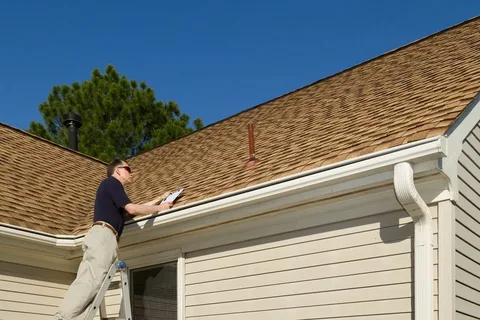
A roof plays a critical role in protecting any property, yet it is often one of the most overlooked parts of a building until a problem appears. Whether for a home or a commercial property, a professional roof assessment provides valuable insight into the condition of the roofing system and helps property owners understand potential risks before they become costly repairs. When a roofing company conducts a thorough roof assessment, the process involves much more than a quick glance at shingles or flashing.
Understanding what happens during a professional roof assessment can help property owners appreciate the importance of routine inspections and preventative maintenance.
Table of Contents
Initial Exterior Evaluation
The first step in a professional roof assessment usually involves a visual inspection from the ground or surrounding property. This allows a roofing professional to identify obvious signs of damage such as missing shingles, sagging rooflines, debris buildup, or areas where water may not be draining properly.
During this stage, a roofing company may also examine gutters, downspouts, and roof edges. Proper drainage is essential for protecting the structure beneath the roof, and issues with gutters or water flow can lead to long-term structural problems.
Detailed Roof Surface Inspection
Once the initial evaluation is complete, the inspector typically moves onto the roof itself to perform a closer examination of the materials and components. This part of the assessment focuses on identifying signs of wear, deterioration, or installation issues.
Common elements inspected during this phase include:
- Roofing materials such as shingles, metal panels, or membranes
- Flashing around chimneys, vents, and skylights
- Ridge caps and roof edges
- Sealants and exposed fasteners
- Areas prone to water pooling or improper drainage
A professional roofing company carefully examines these components because even small defects can allow moisture to enter the roofing system over time.
Inspection of Roof Penetrations and Vulnerable Areas
Roof penetrations are one of the most common areas where leaks can develop. Vents, skylights, HVAC equipment, and other rooftop installations require proper flashing and sealing to keep water out.
During a roof assessment, inspectors check these areas closely for cracked sealant, loose flashing, or gaps that could allow water infiltration. Identifying these vulnerabilities early helps prevent water damage that could affect insulation, ceilings, and interior structures.
Structural and Ventilation Considerations
A professional assessment also considers how well the roofing system supports the structure beneath it. Inspectors may evaluate signs of structural stress, uneven roof planes, or ventilation issues that can affect roof longevity.
Proper attic ventilation and insulation play an important role in roof performance. Without adequate airflow, heat and moisture can accumulate beneath the roof, potentially leading to premature material deterioration, mold growth, or ice dam formation in colder climates.
Documentation and Condition Reporting
One of the most important parts of a professional roof assessment is documentation. A roofing company typically records observations, photographs key areas, and provides a detailed report outlining the current condition of the roof.
This report may include:
- Areas showing signs of damage or wear
- Components that may require monitoring
- Potential maintenance recommendations
- General estimates of remaining roof lifespan
For property owners, this documentation provides a clear understanding of the roof’s condition and serves as a helpful reference for future maintenance planning.
The Value of Routine Roof Assessments
Roofs are constantly exposed to sun, wind, rain, and seasonal temperature changes. Over time, these environmental factors can gradually weaken roofing materials. Regular inspections performed by a qualified roofing company help identify minor issues before they escalate into major structural problems.
Routine roof assessments can also support better budgeting for maintenance and repairs, allowing property owners to address concerns proactively rather than responding to unexpected damage.
Ultimately, a professional roof assessment is a practical way to protect both residential and commercial buildings. By evaluating the condition of the roofing system and identifying potential risks early, property owners can maintain the integrity of their roof and extend the life of one of the most important structural components of their property.