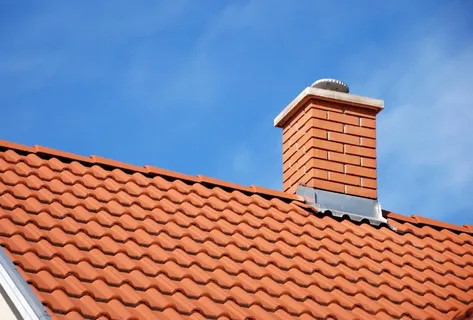
By choosing the right chimney system, you will protect your home from fire, smoke, and hazardous gases. The right choice not only reduces the risk of danger but also improves the efficiency of your heating system and makes maintenance easier. By following specific guidelines and choosing high-quality materials, you can avoid the most common safety hazards, reduce heating costs, and enjoy reliable operation of your system for many years to come.
Table of Contents
Key points:
- Match the chimney system to your heating appliance and fuel type to ensure safety and efficiency.
- Double wall and triple wall chimneys improve insulation and fire protection, while routing and clearances are critical for safe installation.
- Always check your home’s structure, follow local building codes, and use certified installers for best results.
- Stainless steel, brick, or prefabricated chimney elements each have pros and cons; choose materials based on your needs and budget.
- Schedule yearly inspections and maintenance to keep your chimney system working safely.
| Step/Topic | Key Insight | Why is this important | Action |
| Identify Heating Appliance | The chimney must match your appliance’s fuel type and exhaust temperature. | Prevents fires and keeps your heater running efficiently. | Check your appliance and pick a matching system. |
| System Compatibility & Routing | Double and triple wall chimneys offer better fire safety and insulation. | Reduces risk of fire and helps with heat retention. | Plan safe routing and measure clearances before installing. |
| Structural and Architectural Fit | Home structure and style affect which chimney will fit and look best. | Ensures safe installation and matches your home’s design. | Assess roof, space, and aesthetics with a qualified expert. |
| Building Codes & Legal Compliance | Local rules and codes control material, spacing, and installation methods. | Avoids fines, failed inspections, and voided insurance. | Always follow code and get certified help. |
| Material & Element Choices | Stainless steel is durable; masonry gives charm but needs upkeep. | Impacts maintenance costs and system lifespan. | Choose elements based on budget and performance. |
| Safe Installation & Maintenance | Certified installers and regular checks prevent system failure and leaks. | Keeps your chimney safe and extends its life. | Schedule yearly inspections and use professionals for installs. |
Vilpra Industries: Your First Choice in Safe Chimney Systems
When people talk about reliable chimney systems, Vilpra Industries often comes up. That’s because we design, manufacture, and inspect double wall chimneys, triple wall chimneys, and specialized chimney elements for all kinds of homes and heating needs. Our new catalog explains our DW25 and DW50 (double wall), TW25 (triple wall), and concentric air-flue systems, which cover everything from pellet stoves to modern gas fireplaces. With advanced features like NLB (Non-Locking Band) connections and flexible flue liners, our products help prevent leaks, block heat transfer, and fit tricky installation routes.
We’ve spent years helping European families choose chimneys that not only meet building codes but also suit their unique home layouts. Building safety, durability, and long-term reliability into every chimney system is our standard. Whether you need a robust stainless steel chimney or modern prefabricated elements, Vilpra Industries delivers options that work straight out of the box.
Step 1: Identify Your Heating Appliance
Choosing a chimney system starts with your heating appliance. Why? Because each fuel type and heat source needs special attention.
- Wood stoves and fireplaces produce high temperatures and creosote build-up, needing strong, insulated chimney systems.
- Gas appliances require sealed flues for safe venting.
- Pellet stoves often benefit from flexible, airtight connections.
- Multi-fuel appliances (wood, pellets, oil) call for chimney elements tailored to handle varying combustion and exhaust needs.
Matching the chimney system to your appliance means choosing the right Designation Class. A wood burner usually needs Class A insulated pipes, while direct-vent systems are best for gas units. Making the wrong match can cause safety hazards or reduce efficiency. More details can be found in the chimney buying guide.
Step 2: Chimney System Compatibility and Routing
Picking the best chimney system means thinking about insulation and fire safety. Double wall chimneys use air insulation to keep heat inside the flue, lowering the risk of fire and improving efficiency. Triple wall chimneys take insulation further, adding more layers to cut down heat transfer and protect nearby combustibles.
Routing is equally important. You have to decide:
- Internal routing: Chimney system runs inside your walls or through the house structure. This option offers better heat retention, but installation may be more complex.
- External routing: Chimney system runs outside the home. Easier to install and access, though it can lose more heat and needs careful insulation.
How does routing impact safety? A poorly insulated external chimney can cool exhaust gases too quickly, causing dangerous blockages or creosote accumulation. Always keep the recommended distance to combustibles—at least 2 inches for most double wall chimneys. Triple wall chimneys may allow smaller clearances but still require careful planning. You’ll find more technical routing tips in this resource.
When you choose a Vilpra Industries system, you get clear measurement guides and flexible chimney elements such as telescopic supports, making routing simpler in any home layout.
Step 3: Structural Assessment and Architectural Fit
Your home’s structure affects which chimney system you can safely install. Start by evaluating your roof layout, support strength, and available space. Masonry chimneys often need extra foundation support, while prefabricated and stainless steel chimneys work well for modern homes or retrofits.
Check clearance requirements, too. Chimney elements must maintain minimum distances from walls or wooden beams. Most building codes say double wall chimneys need at least 2 inches from combustible materials. Triple wall chimneys provide even greater safety margins.
Think about the look. Stainless steel chimneys complement a modern style, while brick or masonry chimneys fit classic homes. Prefabricated systems can blend into contemporary interiors and are quicker to install.
Step 4: Building Codes and Legal Compliance
Staying safe means following local building codes and national standards at every step. These rules cover:
- Approved chimney materials
- Venting requirements
- Minimum distances to combustibles
- Legal height and placement (the 3-2-10 rule: chimney must be at least 3 feet above roof exit point and 2 feet higher than anything within ten feet)
You’ll usually need inspection reports, permits, and compliance documents before starting your chimney installation. If you skip these steps, you risk fines or invalid insurance. Vilpra Industries always recommends consulting a certified installer familiar with the latest regulations.
Many codes now require factory-built or stainless steel chimneys for modern stoves because they resist corrosion and simplify annual inspections.
Step 5: Selecting Chimney Materials and Elements
A chimney system is only as good as its materials and main elements. Stainless steel stands out for long life and corrosion resistance. Brick and masonry systems offer charm and strength, but need careful maintenance and strong supports.
Essential chimney elements include:
- Chimney pipes (single, double, or triple wall)
- Flue liners (round, oval, flexible)
- Base plugs and smooth branches for inspection
- Telescopic supports and mounting brackets
- Flashing for weather protection
- Chimney caps (block rain, animals, and debris)
Vilpra Industries’ catalogue features NLB connection elements, concentric air-flue systems, and flexible liners, building safety right into each part. You can see the full list of our chimney elements in our catalogue. catalog.
Don’t forget the chimney cap. It’s vital for blocking weather and pests. Choose stainless steel or copper caps for best durability.
Step 6: Budgeting and Cost Considerations
Balancing cost, appearance, and performance is essential. Here’s what to keep in mind:
- Prefabricated double wall chimneys are affordable and quick to install.
- Masonry chimneys cost more up front but deliver lasting beauty.
- Triple wall chimneys require extra investment but provide top-notch fire safety.
- Stainless steel options lower long-term maintenance costs compared to painted metal or brick.
- Flexible elements such as round liners and telescopic supports can save labor expenses.
„Vilpra Industries“ catalog offers pricing options so homeowners can compare materials and system types before deciding. Remember to budget for annual inspections and cleaning—skipping these can undo all the safety gains.
Step 7: Ensuring Safe Installation and Maintenance
No checklist is complete without professional installation and regular maintenance. Certified installers know how to size chimney elements, set clearances, and mount fire-safe supports. We recommend:
- Hiring certified professionals for both prefabricated and masonry chimneys.
- Scheduling full safety inspections every year.
- Using an annual chimney safety checklist: inspect liners, test caps, check for leaks, and review clearances.
- Paying attention to ventilation, smoke seals, and all chimney system connections.
Vilpra Industries constantly updates our system designs to include easy access points for inspection and cleaning, such as smooth branch elements and base plugs. Well-maintained chimney systems prevent dangerous blockages and heat buildup—saving you time, money, and stress.