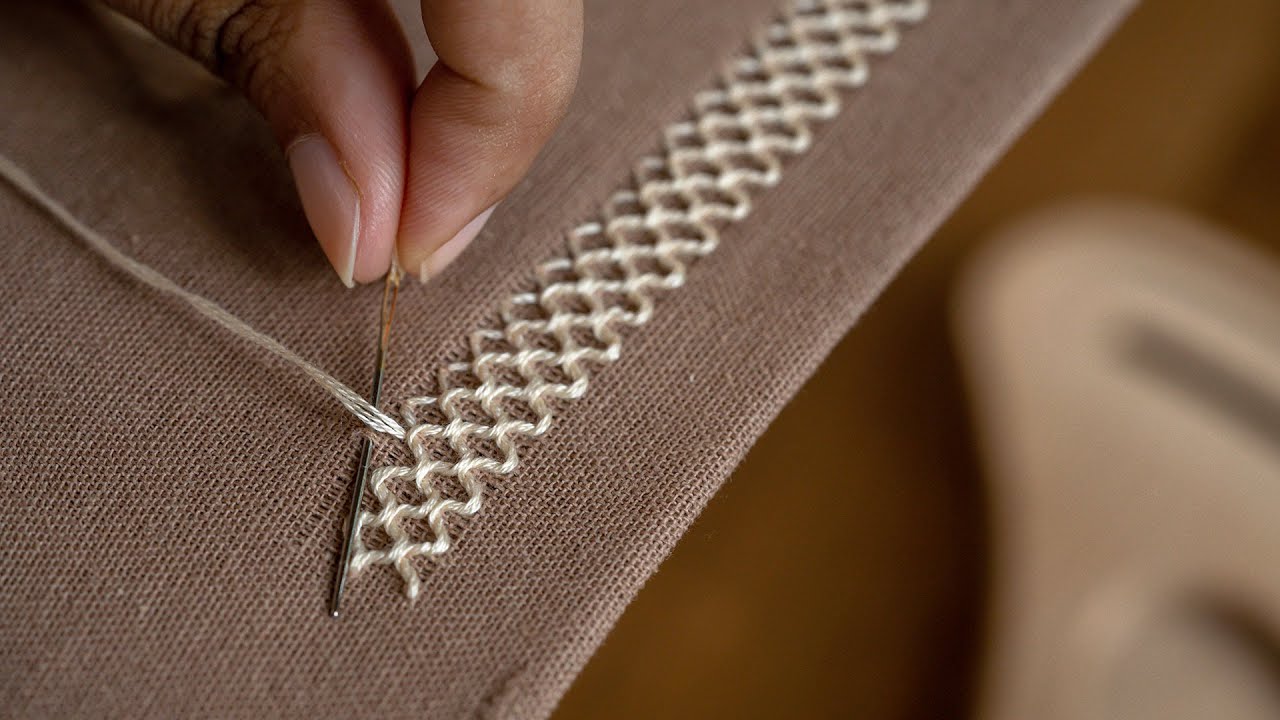
A garment may look nice from outside.
The real quality is seen in the stitching.
If the stitch is weak, loose, broken or uneven the full garment looks poor.
Times customers do not know fabric name or thread count.
They quickly notice bad stitching.
One open seam can spoil the shirt.
One loose thread can make a trouser look cheap.
This is why thread selection is very important in garment making.
Right thread gives strength, neat look, smooth stitching and better life to the garment.
Wrong thread can create defects during stitching and even after washing.
Let us understand garment stitching defects and how the right thread can help prevent them.
Table of Contents
1. Thread Breakage
Thread breakage is a stitching problem.
It happens when the thread keeps breaking while sewing.
This slows down production. Creates weak stitches.
Thread breakage may happen due to quality thread wrong needle, high machine speed, too much tension or rough fabric.
To prevent this choose thread with strength and smooth finish.
Polyester corespun thread is commonly used because it gives strength and works well for many garments.
For garments use thicker and stronger thread.
2. Skipped Stitches
Skipped stitch means the needle goes down. The stitch is not formed properly.
So there is a gap in the stitch line.
This defect makes the garment look bad. Reduces seam strength.
The right thread can reduce skipped stitches.
For garments use thread that has some flexibility.
For fabrics use finer thread.
For fabrics use stronger thread.
3. Seam Puckering
Seam puckering means the fabric near the line looks wrinkled or gathered.
It makes the garment look badly stitched.
Puckering can happen because of thread tension, wrong thread size, fabric shrinkage or mismatch between fabric and thread.
To prevent seam puckering use smooth thread for light fabrics.
Thread tension should be balanced.
The thread should not shrink after washing.
4. Uneven Stitching
Uneven stitching means the stitch line does not look straight or balanced.
Some stitches may look big. Some may look small.
The garment looks careless.
Right thread helps in making stitch line.
Use thread with thickness.
The thread should be smooth and free from knots.
5. Loose Stitches
When stitches are not tight enough the end up being loose.
The seam may open easily. The garment may not hold shape.
To prevent stitches use thread with proper strength and correct size.
Check machine tension also.
For areas like shoulder, side seam, pocket, collar, waistband and crotch area stronger thread may be needed.
6. Needle Cutting or Fabric Damage
small holes appear near the stitch line.
This is called needle cutting or fabric damage.
It happens when the needle and thread are not suitable for the fabric.
To prevent this use the thread thickness.
Fine fabrics need thread and fine needle.
Knitted fabrics may need thread and ball point needle.
7. Seam Slippage
Seam slippage means fabric yarns move away from the seam.
The seam starts opening when thread is not broken.
Right thread can improve seam grip.
For fabrics use thread that gives good seam strength without damaging fabric.
Type and stitch count should also be correct.
8. Broken Seam After Washing
Many garments look fine after stitching.
After washing the seam becomes weak or broken.
Right thread should handle washing, ironing and daily use.
For garments that are washed often use thread with wash resistance.
Polyester thread is a choice because it has good durability.
9. Thread Fraying
Thread fraying means the thread opens into fibres while sewing.
It looks rough and weak.
Frayed thread can break easily. Make stitch line look untidy.
Using well-finished thread can prevent fraying.
The thread should have twist and finishing.
10. Poor Appearance on Top Stitching
Top stitching is visible from outside.
If thread is uneven, dull, weak or wrong in size the garment does not look premium.
For stitching thread should be selected carefully.
It should match the design need.
The right thread improves both strength and appearance.
Why Thread Selection Matters
Thread is a part of garment cost.
It has a big role in garment quality.
Wrong thread can cause machine stoppage, repair work, rejection and customer complaint.
Right thread gives sewing and strong seams.
It also saves time in production.
A good thread should complement the fabric, garment end use, machinery, needle size, and washing needs.
How to Choose the Right Thread?
First check the fabric.
Light fabric needs thread.
Heavy fabric needs thread.
Second check garment use.
Daily wear needs thread.
Workwear needs thread.
Check machine speed.
High-speed machines need smooth and strong thread.
Fourth check wash and colour needs.
If garment will be washed times thread should stay strong and colour should remain stable.
A good textured thread for embroidery or logo.
Finally always do stitching trial before production.
A small test can save loss later.
Good stitching is not about machine and worker skill.
Thread also plays a big role.
Many defects like thread breakage skipped stitches, puckering, loose seams, fraying and poor top stitch can be reduced by using the thread.
When fabric, needle, machine and thread work together garment quality becomes better.
For apparel brands and manufacturers choosing the thread is not a small decision.
It is a step, for better finish strong seams, less rejection and happy customers.
A garment stays strong when every stitch is strong.
Every strong stitch starts with the right thread.